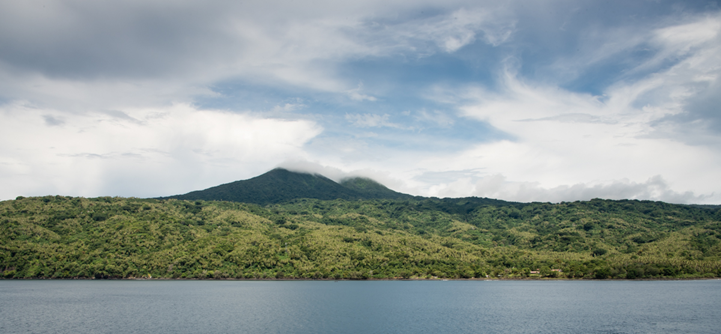
- Volcanic island islands, depending on the length of time since active volcanism, can be very rugged with large topographic relief due to volcanic eruptions, lineaments, and faulting as well as subsequent erosional activity. Some islands are populated with more development, but many are less populated with minimal infrastructure.
- Approaching a volcanic island, there may be no established quaysides to offload personnel and equipment for exploration and potential subsequent development. Some of these islands are mantled with coral reef systems that may further challenge shoreline logistics.
- Once ashore, there could be heavily forested and wetlands areas that would need to be traversed to get to areas of interest. On less populated islands there may not be formal roads, especially ones suitable for heavy equipment.
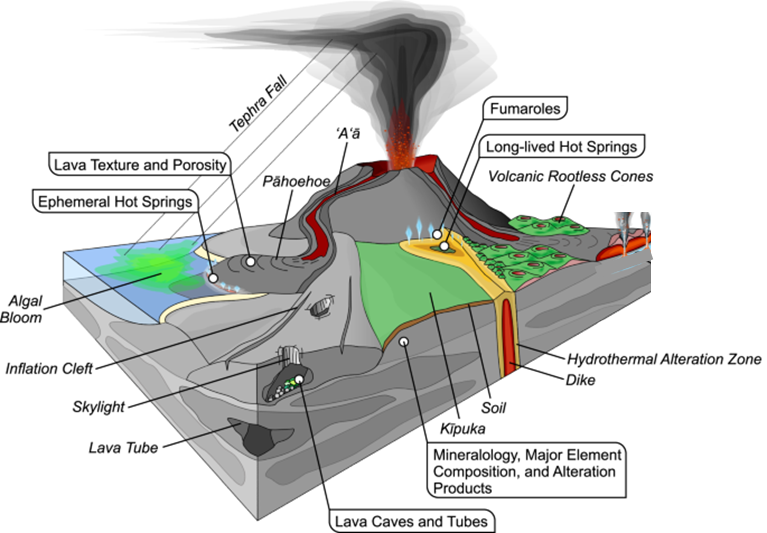
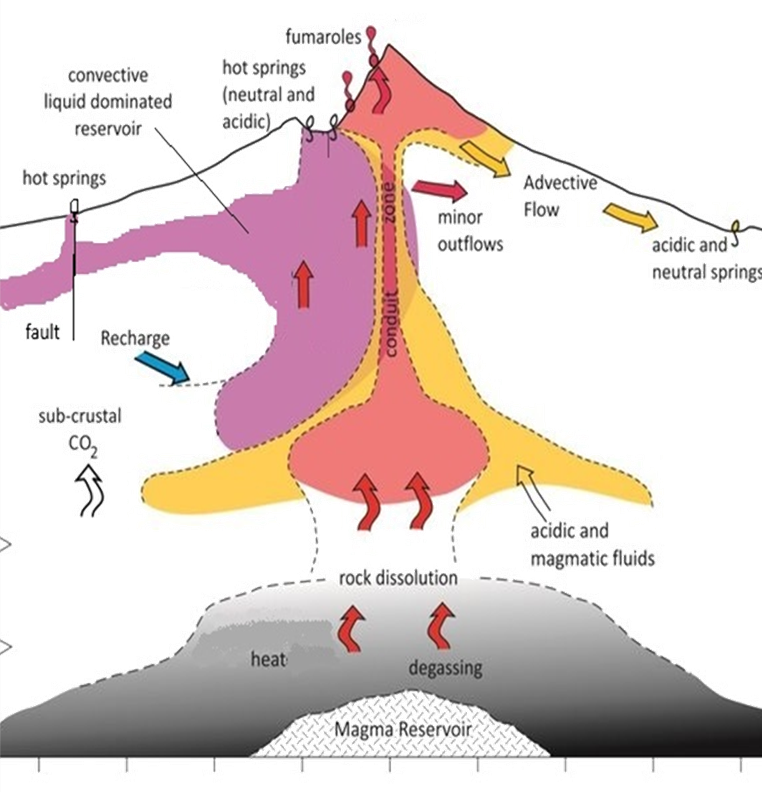
- Across these islands could be complex volcanic habitats including different types of lava flows and eruptive airborne deposits. Fault systems are an important input to understanding local more shallow structural frameworks. Lineaments are deeper, wider, and can represent larger planes of weakness that can help understand potential zones of increased permeability for thermal upflows.
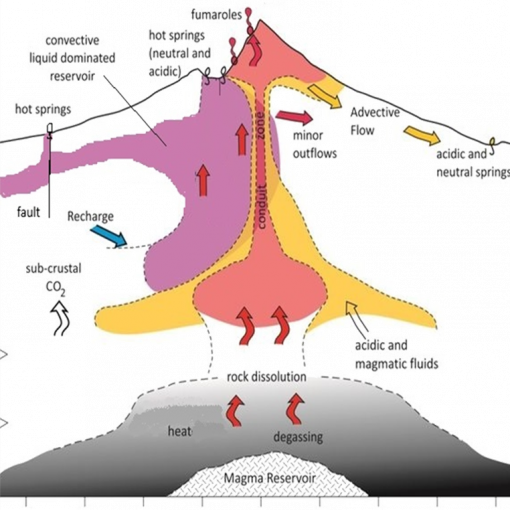
- Surface manifestations such as thermal springs, fumaroles, and vents demonstrate thermal gases and fluids that may be leaking up fault systems from geothermal plays.