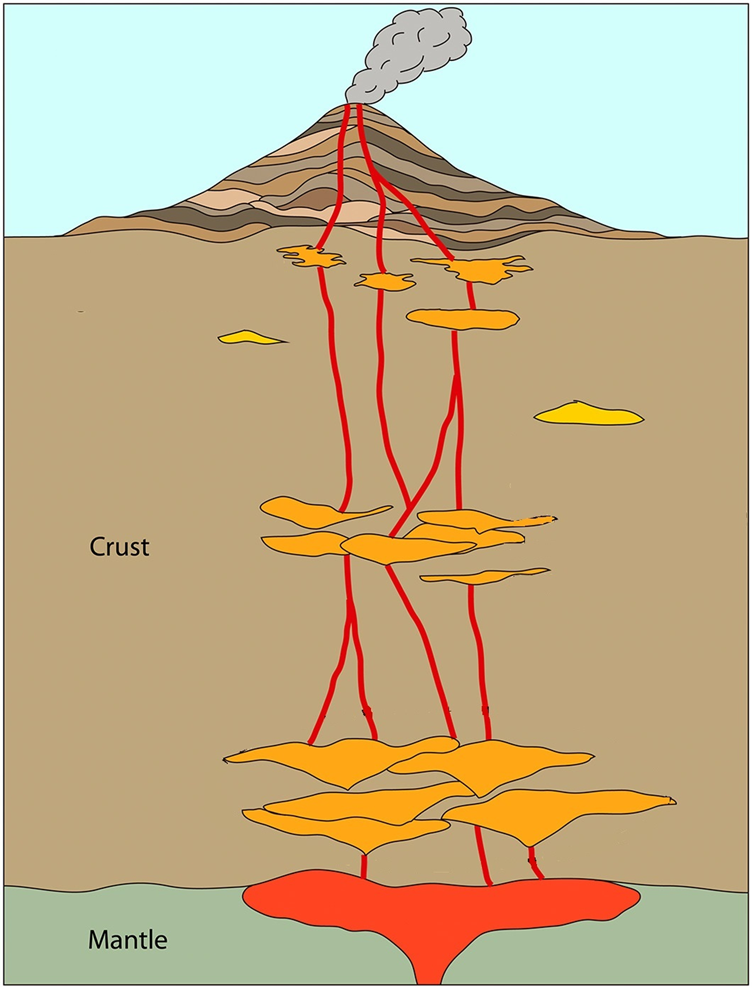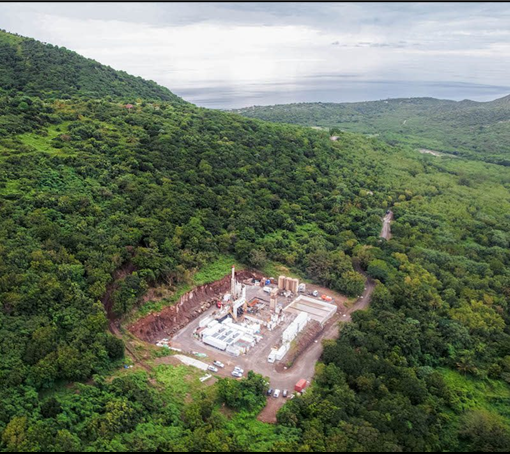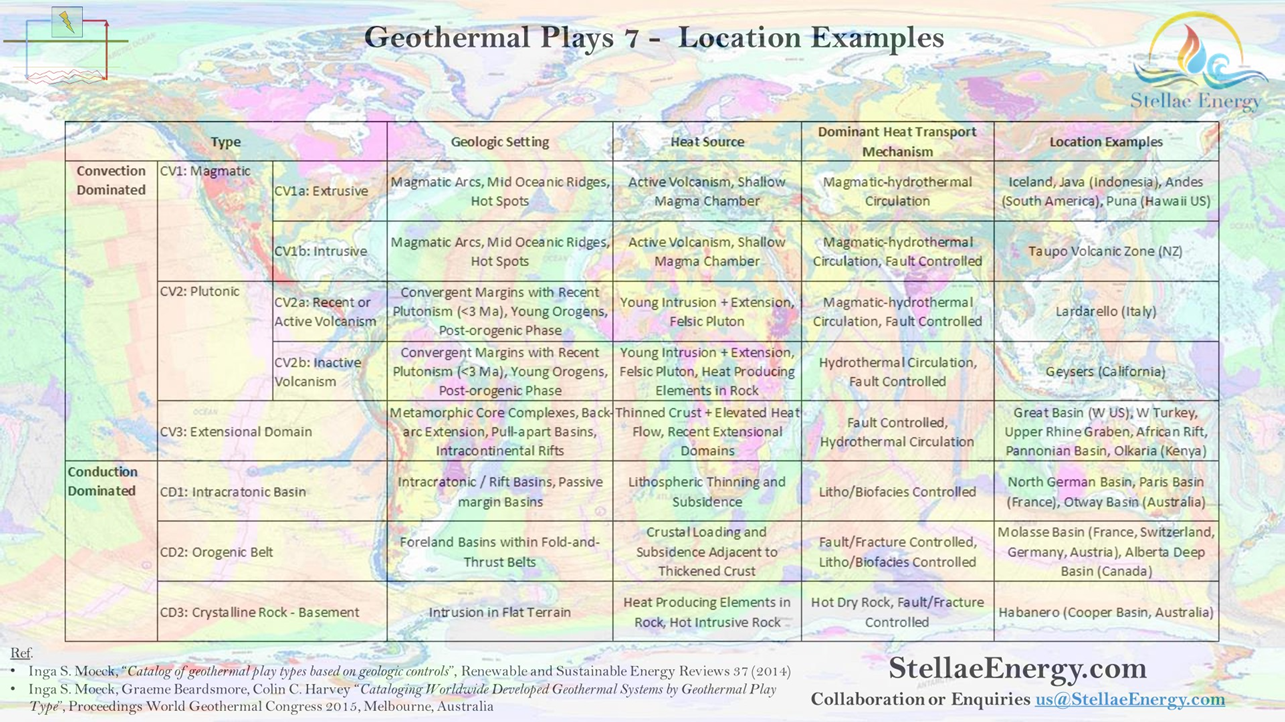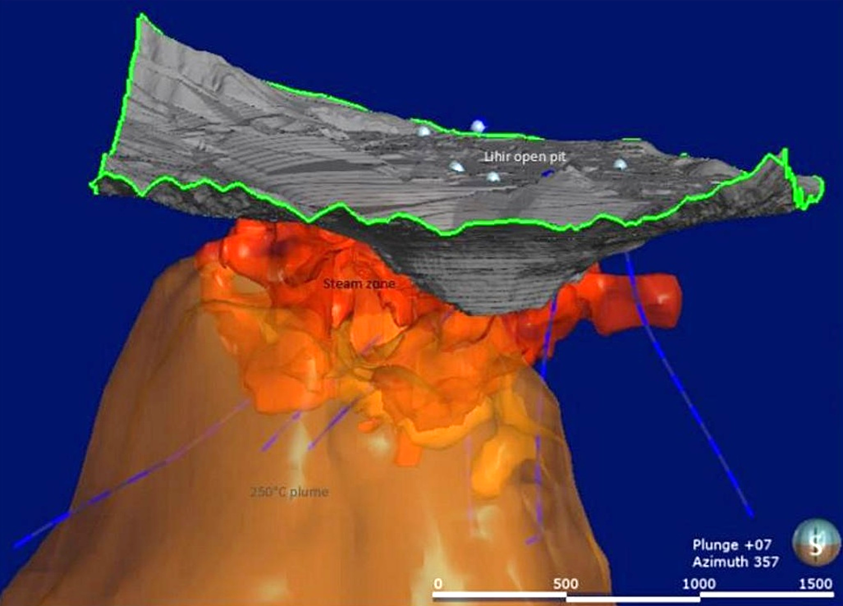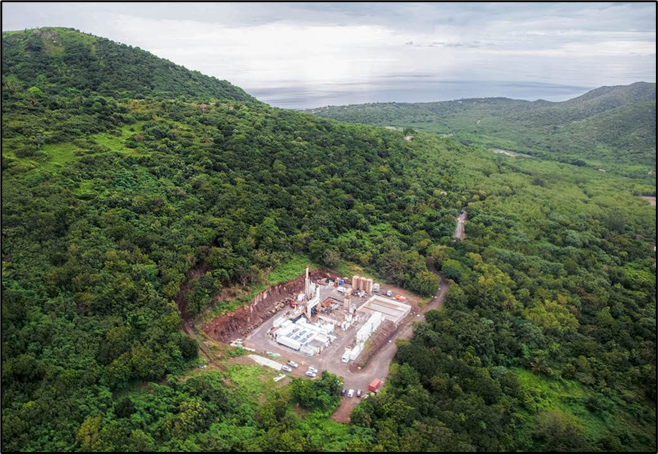
- Volcanic Geothermal Systems have clearly identified “plumbing systems” to bring the Earth’s deep magmatic thermal energy heat closer to the surface where is can be more economically captured for use to produce electrical energy.
- Over geologic time, a many tens of thousands of volcanoes have been formed, erupted, and then subsided and deteriorated away as energy flows ended and geologic processes evolved and structures were eroded, subsided, or covered. We are focused on more recent volcanic systems that have ideally erupted in the Holocene epoch (~last 11,700 years). In geologic time, a few hundred years is nothing, so eruptions in the past 500-1000 years are considered to be evidence of viable heat resources below them. Geological time compresses our human understanding of time so drastically that what seems long to us is practically instantaneous in Earth’s lifespan. A volcano is considered active if it has erupted within the past 10,000 years, but most Geothermal prospects we have evaluated have erupted within the past 200-500 years.
- Volcanic eruptions can have durations from days to years, but only <0.5% have a duration longer than 30 years. Time intervals between eruptions can be thousands to tens of thousands of years. Volcanic hazard evaluations are conducted to review the geologic record of eruptive and seismic events and “summarizes the types and likelihood of future hazardous phenomena expected to occur at a specific volcano or volcanic region …a summary of the specific hazards, their impact areas, and a map showing ground-hazard zones …also critical for planning long-term land-use” (ref. USGS). All these considerations are part of the evaluation of a Volcanic Geothermal System to help determine its suitability for potential Geothermal Energy exploration and development.