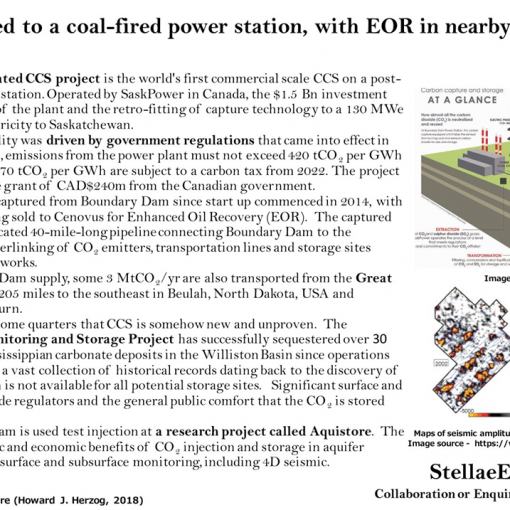
- Epithermal deposits are systems where minerals deposits have formed in the upper crust at the paleosurface to depths ~1500m below the water table with temperatures ranging from ~100-350°C.
- Most deposits are derived from hydrothermal systems associated with subaerial volcanism and intrusion of subduction-related calc-alkaline magmas in volcanic island arc settings.
- Lava dome and associated diatreme complexes are the most common features associated with epithermal deposits, but stratovolcanoes can also be associated.
- Deposits develop above cooling magma chambers through specific crystallisation processes. As a magma chamber’s top crystallises, it releases water and other volatiles that carry gold tri-sulphur complex and other metals into surrounding rock formations.
- These metal-rich brines ascend through cracks and voids, precipitating metals as pressure decreases. The process creates mineral veins and deposits along sedimentary planes, offering different mineralisation patterns compared to deeper porphyry formations.
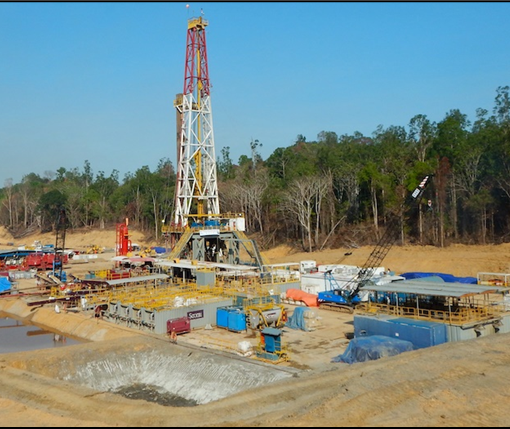
- Hydrothermal alteration and ore formation alter the physical properties of the host rocks, which leads to features detectable by using geophysical surveys also used for geothermal exploration.
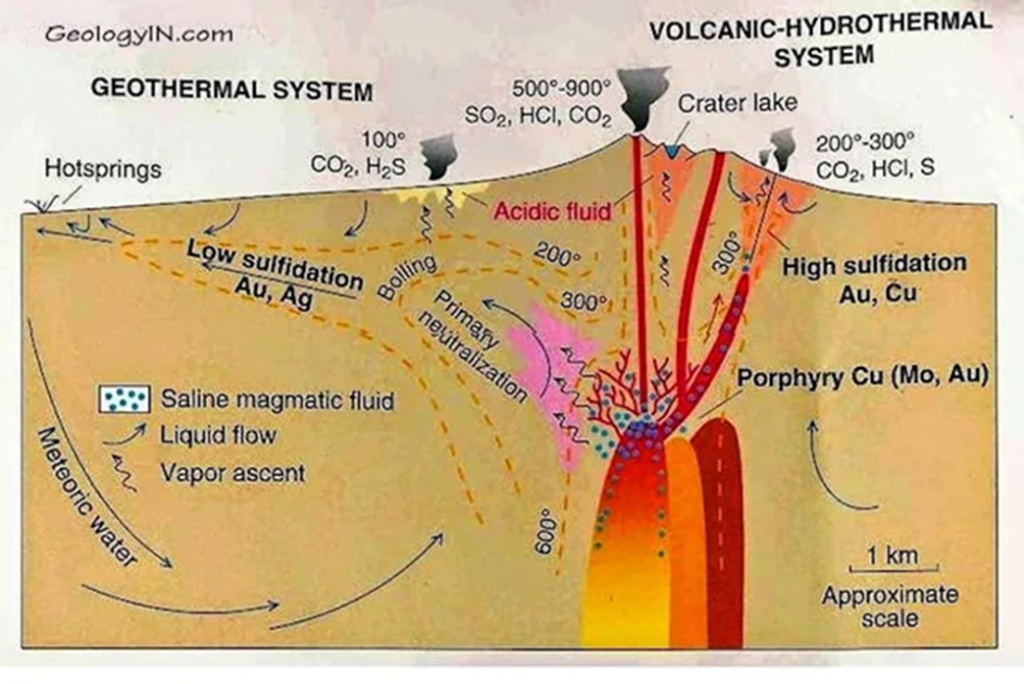
There are two main types of epithermal systems, classified based on the temperature and acidity of the hydrothermal fluids:
- Low-sulfidation: These systems have cooler, less acidic fluids and typically form gold-silver or silver-lead-zinc deposits. Surrounding rocks may have a “clay alteration” signature. May be located near thermal spring upflows and reservoirs.
- High-sulfidation: These systems are characterized by hot, acidic fluids and typically form gold-copper deposits. They often have a distinctive “acid-sulfate alteration” signature on the surrounding rocks.