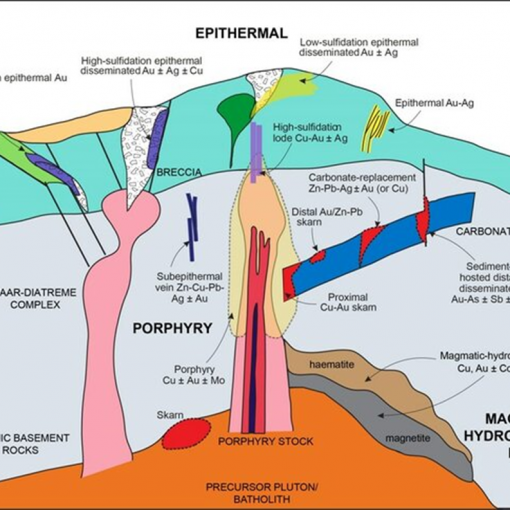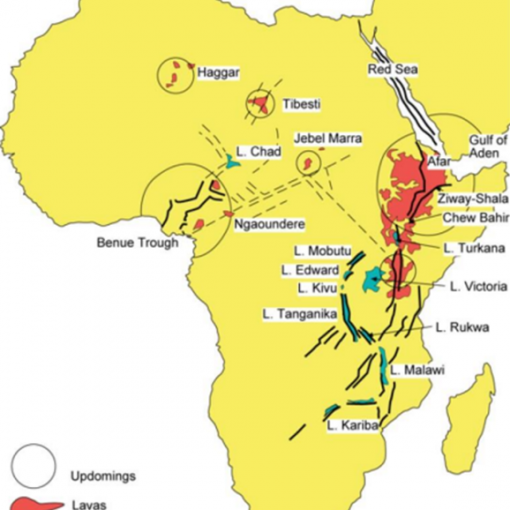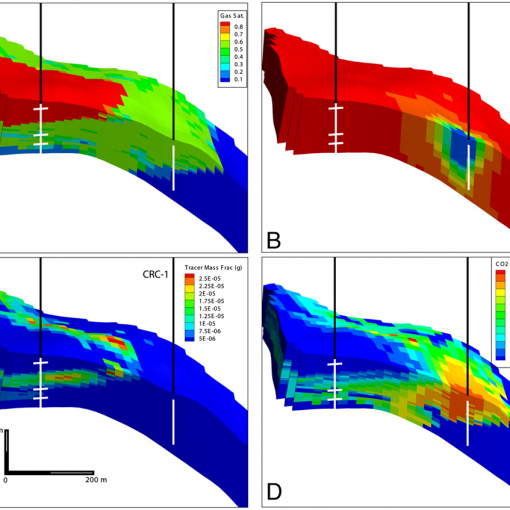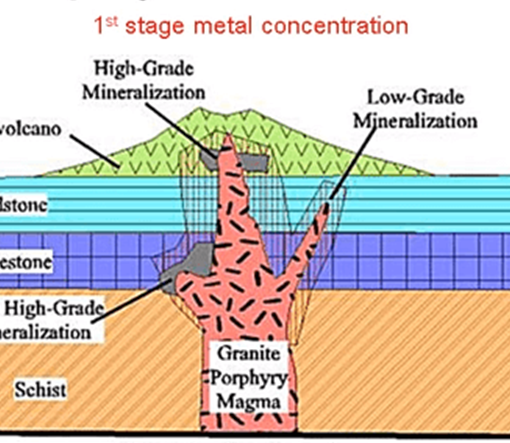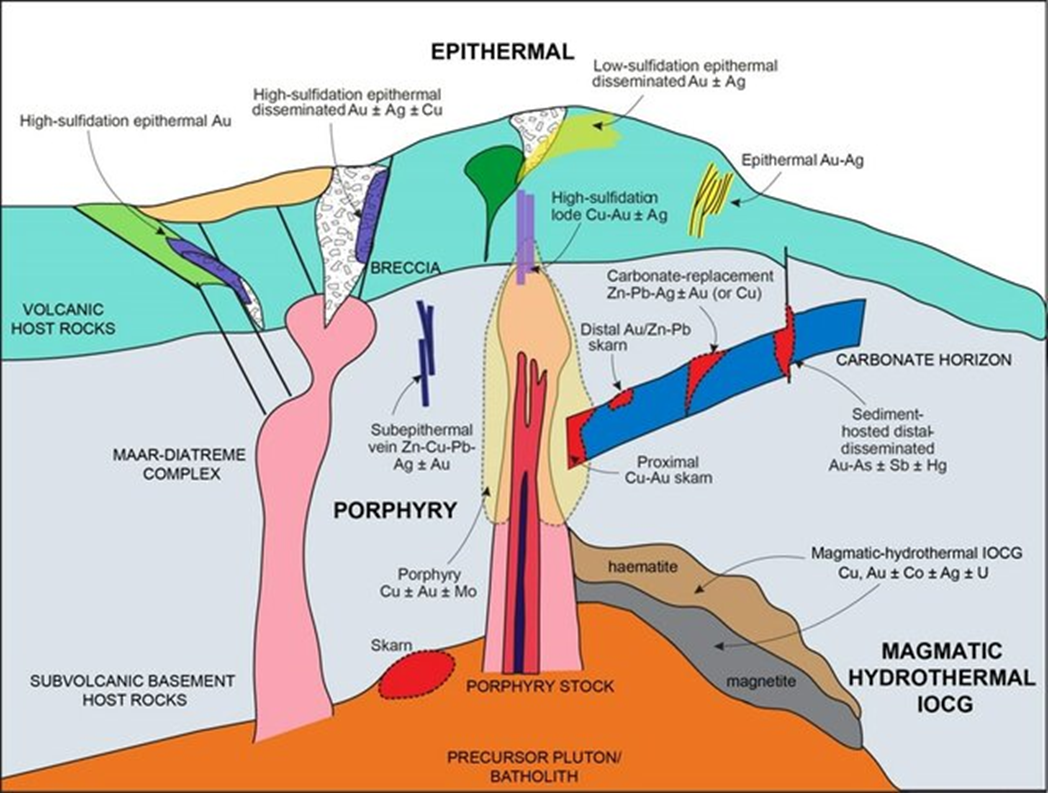
Slimhole Wells are attractive for their lower cost to derisk both mineral and geothermal exploration prospects more economically. Less drilling mud and fluids are required with the smaller hole diameters. Smaller rig footprints.
Well design would depend on the geology, location and rig details. Rigs include:
- mineral exploration diamond coring rigs,
- rotary top drive rigs,
- hybrid combination (conventional rotary rig to drill and install large diameter casing to the top of reservoir, then high speed diamond coring head to drill through the reservoir (collecting cores), after completion the coring head would be removed and the well completed with production casing).
- Some Slimhole Well construction examples (casing cemented) for geothermal exploration:
- 13-3/8in Conductor Casing (to 20m), 9-5/8in Casing (to 300-450m), 7in Production Casing (to 500-700m), and 4-1/2in Slotted Liner (to 1500-2000m)
- 9-5/8in Conductor casing (to 20m), 7in Surface Casing (to 100m), 5-1/2in Intermediate Casing ( to 500m), 3-1/2in Intermediate Casing (to 1200m), and 2.9in Casing Liner Perforated (to 1500-2000m)
- 9-5/8in Conductor casing (to 20m), 6-5/8in Surface Casing (to 100m), 4-1/2in Intermediate Casing ( to 500m), 3-1/2in Casing Liner Perforated (to 1500-2000m)
- Blowout Preventer systems would be used on these wells (an example is shown in the sketch at left). Surface connections could be as shown.
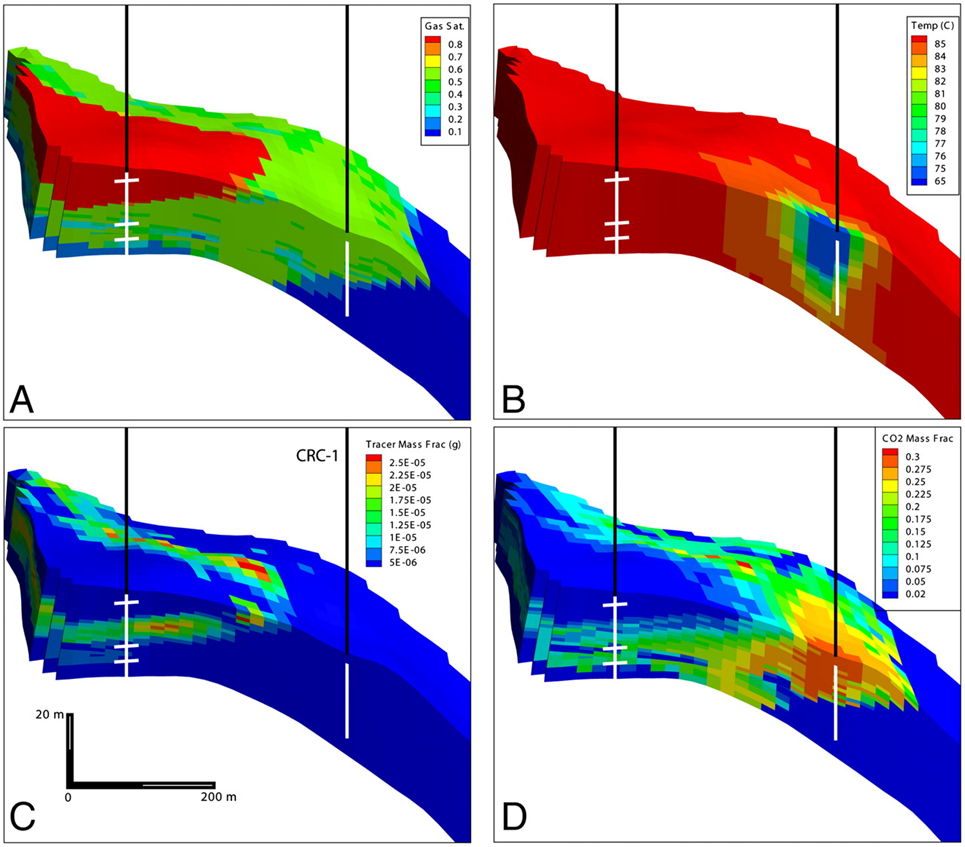
- Geothermal Testing of these wells would require the ability to monitor and measure the production of fluids and the injection back downhole. Fluids and gases would be sampled and tested. The capability to test flow and temperatures in isolated inflow zones downhole in the well could also require the ability to lower wireline equipment.
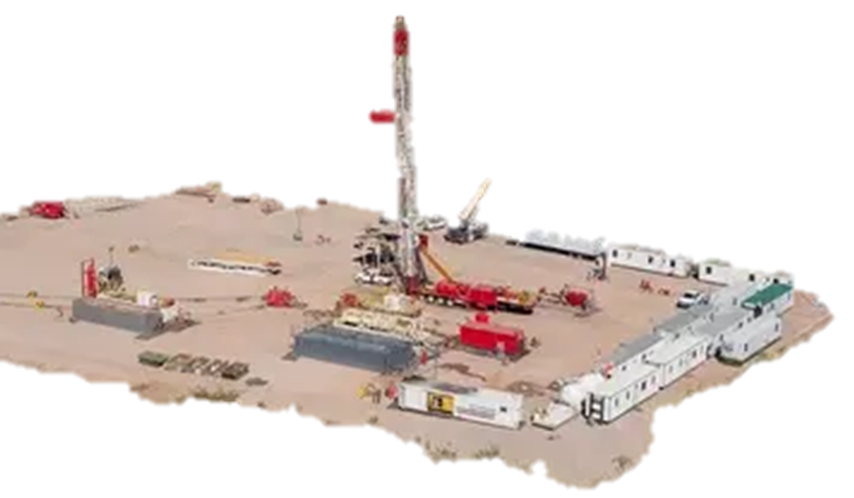
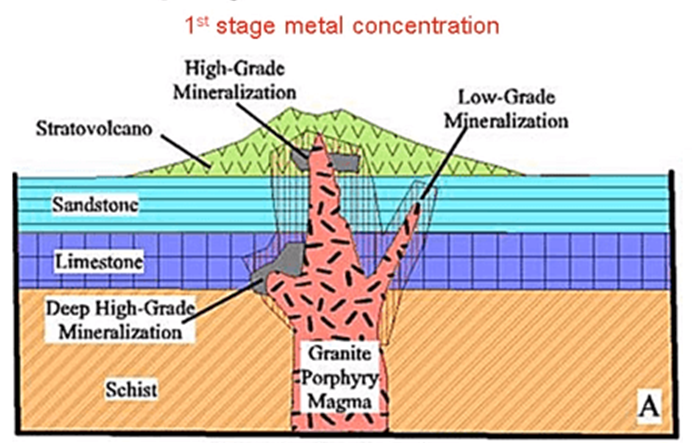
- Slim hole drilling for minerals exploration is particularly useful in the following scenarios:
- Remote of inaccessible locations where logistics and transportation are significant costs
- Environmentally sensitive areas where site footprint and logistical requirements are minimised
- Early exploration to gather baseline geological data cost-effectively
- Locations with complex geology less able to be geophysically investigated where deeper cores would assist Drilling in hard or fractured rock where mining industry techniques would provide continuous coring advantages