Niger is covered ~80% by the Sahara Desert. Some outcrops of faulted gneissic formations are present. In central Niger, the Aïr Massif is a granitic extension of the Tuareg Shield of the Pan-African Belt. This Massif has different types of granitic plutons intrusions, resulting from pulsed magma in dykes rising […]
Knowledge Hub
The geology of the central African country of Chad is dominated by the low-lying Chad Basin, which rises gradually to mountains and plateaus of the Tibesti Mountains in the North and the Ennedi and Ouaddi plateaus in the East. The northern half of Chad lies within the Sahara; The Chad […]
Botswana is fringed on the east by the Zimbabwe Craton and the south by the Kaapvaal Craton with Limpopo Orogenic Belt in between. In the southwest is the Kalahari Suture Zone (KSZ) which is a large scale (~400km x <50km) intrusive feature linked to the Kheis Orogenic Belt that extends […]
Angola has several geotectonic units including: (1) Congo Craton; (2) Orogenic Mobile Belts (including the Pan-African West Congolian) ; (3) interior sedimentary basins; and (4) perioceanic basins; An interesting geologic feature is the Lucapa Corridor extending from SW to NE Angola which has been attributed to mantle upwelling, lithospheric uplift, […]
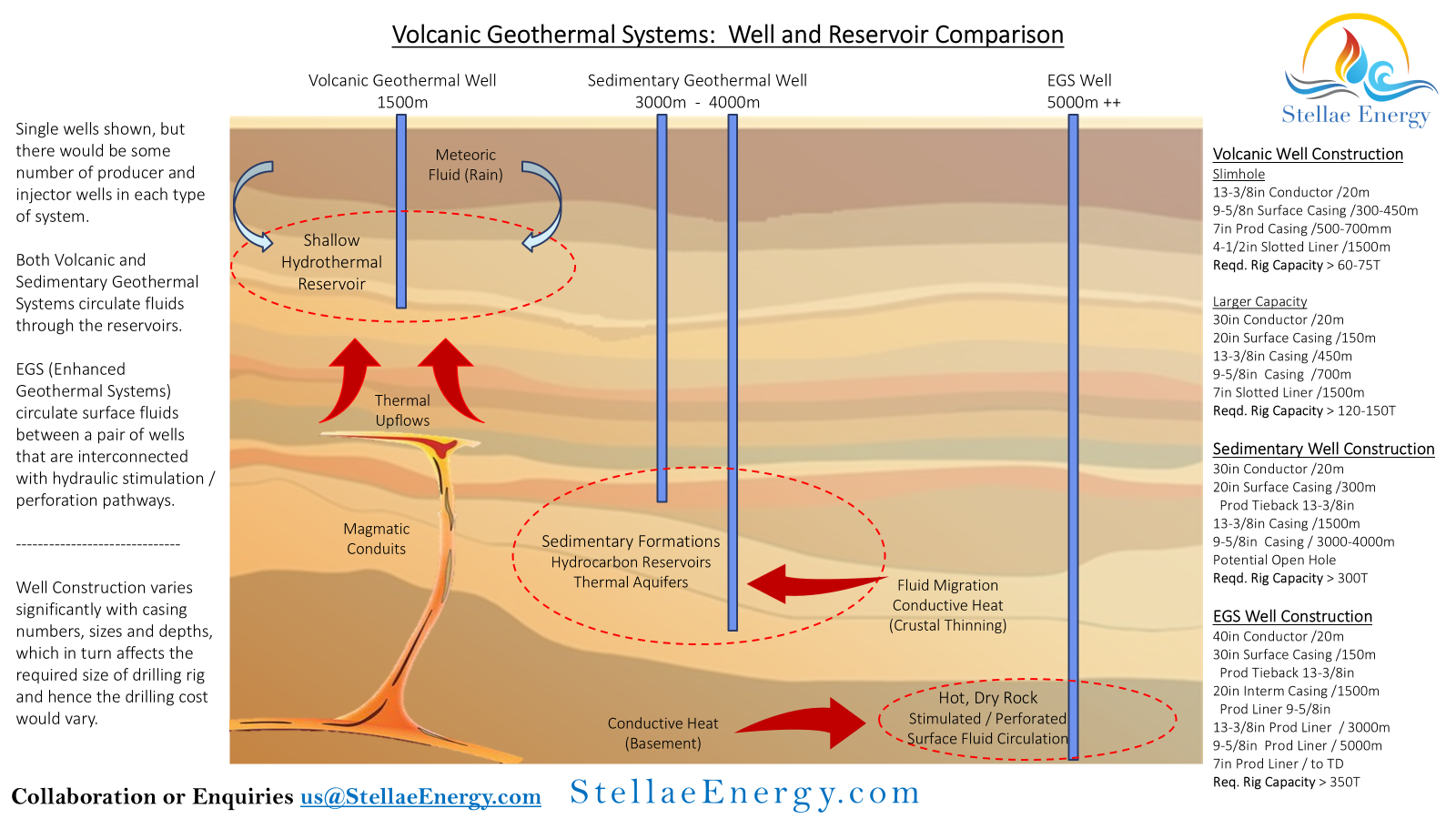
In a series of informational posts about the Geothermal Energy Potential in Africa, we have up to now posted about: (1) Africa as a whole; (2) Cameroon; (3) Ghana; (4) Kenya; (5) Namibia; (6) Nigeria; (7) South Africa ; (8) Zimbabwe; and (9) the East African Rift System (EARS). Now we […]
In the series about Carbon Capture and Storage, here is another short technical flyer about how the partial pressure of the Carbon Dioxide we are capturing affects the cost of the facilities. The good news is that technologies are advancing and scaling well and costs are reducing. For a world […]
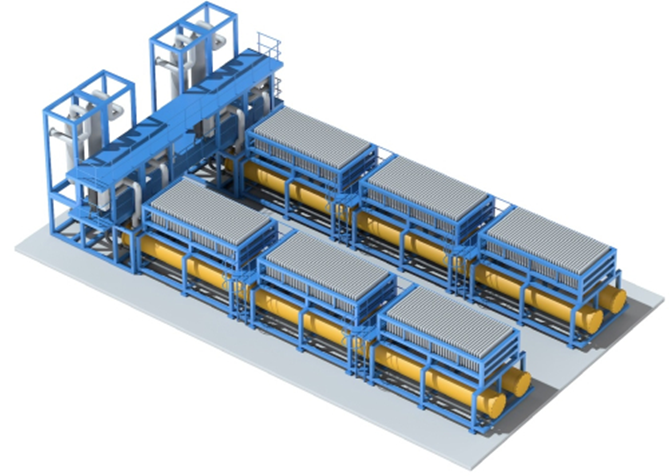
With the increase of CCS awareness as a potential solution for mitigating carbon emissions, we can review a few new technologies helping the economics. Here are three examples. Modularization and scalability Modular, containerized, and standardized components will help to reduce the costs for CCS. It will allow smaller emitters to […]
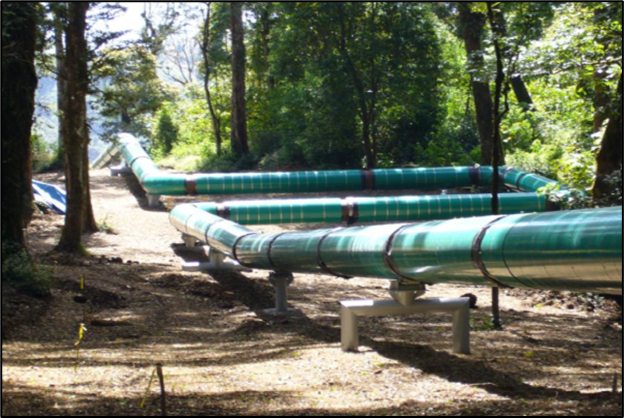
There are currently over 50# CO2 pipelines that cover a distance of ~5,000 miles (8000 km). The lack of CO2 transport infrastructure is definitely a limiting factor for CCS scale-up. Existing oil and gas pipelines can be converted to CO2 transport pipelines for short-distance, low-volume transport. For these distances, CO2 may be transported in […]
Each potential Carbon Capture opportunity will have particular characteristics which need to be properly evaluated and engineered to make the right technology selection for efficient, cost effective operations. There are good technologies available and they are advancing rapidly with good applications available for lessons learned to facilitate continuous improvement. As […]
With so many carbon emission sources that could be mitigated, it is important to identify all potential subsurface storage locations. Deep saline aquifers are widely distributed and have been successfully used for many years. With carbon based power generation likely for several more decades, this is a technically proven solution […]
Technically Well Established and Commercially Feasible with Carbon Taxes and Cross-Border Duties As we have looked at end of life oil & gas assets to investigate geothermal potential, it is common to find some reservoirs that are not suitable for geothermal, but are well suited for Carbon Capture and Storage […]
Kenya is one of the leading developers of Geothermal Energy in the world and they are a great example for other countries across Africa. Most of Kenya’s Geothermal Energy has been high enthalpy resources, but additional development opportunities exist by widening the scope to incorporate low and medium enthalpy resources. […]